“My eyesight is fine, I don’t need to see an ophthalmologist.” This is one of…

Sun, swimming pools and air conditioning: the INOF guide to protecting your eyes this summer
Summer is the time of year when we put our eyes under the most strain without realising it. Ultraviolet radiation intensifies, chlorine in swimming pools irritates the surface of the eye, and air conditioning dries out the tears. By adopting a few simple habits, you can enjoy the summer without putting your eye health at risk.
UV radiation also damages the eyes
Just like the skin, the eyes suffer the cumulative effects of ultraviolet radiation. Intense exposure without protection can cause actinic keratitis — a genuine ‘sunburn’ of the cornea — and prolonged exposure over the years is linked to the earlier onset of cataracts, pterygium and damage to the retina and eyelids.
The solution is simple: approved sunglasses (CE-marked, UV400 filter), with wraparound frames if you’re going to be outdoors for many hours, and a hat or cap during the middle of the day. Beware of ‘market stall’ sunglasses: dark lenses without a UV filter are worse than wearing nothing at all, because the pupil dilates and lets in more radiation.
Children: the forgotten ones
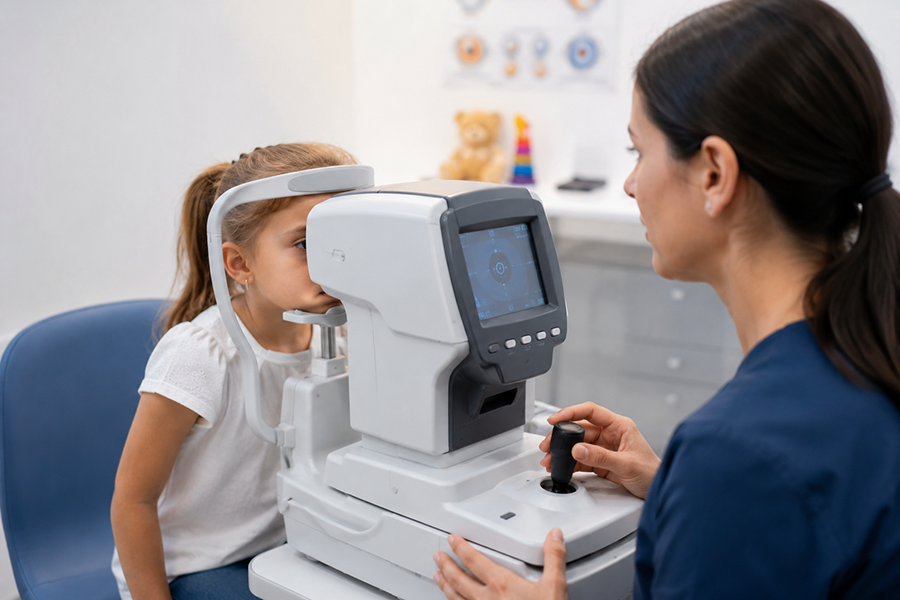
Children’s lenses are more transparent than those of adults and allow more UV radiation to reach the retina. Children should wear approved sunglasses just like adults, especially at the beach, the swimming pool and in the mountains, where reflection off the water and sand increases exposure.
Swimming pools: chlorine, conjunctivitis and contact lenses
Redness and itchy eyes after leaving the pool are not caused by chlorine itself, but by chloramines – compounds formed when chlorine reacts with sweat and other organic matter. Furthermore, in summer there is an increase in infectious conjunctivitis, both viral and bacterial, which spreads easily in water.
- Always wear swimming goggles, including children.
- Never swim whilst wearing contact lenses: water from swimming pools, the sea or rivers can contaminate them with microorganisms such as Acanthamoeba, which causes severe keratitis. If you are a regular swimmer, consider prescription swimming goggles or daily disposable contact lenses that you discard immediately after swimming.
- After swimming, rinse your face with clean water and avoid rubbing your eyes.
- If redness, discharge or a foreign body sensation lasts for more than 48 hours, consult an ophthalmologist.
Air conditioning and dry eyes
Air conditioning in the car, office or bedroom reduces humidity and accelerates the evaporation of tears. The result: a stinging sensation, a gritty feeling, fluctuating blurred vision and tired eyes by the end of the day – symptoms that worsen if we also spend hours in front of screens.
Avoid having the airflow directed straight at your face, stay well hydrated, blink consciously and use preservative-free artificial tears if you notice dryness. If symptoms are frequent, an examination of the ocular surface can help identify the cause and provide personalised treatment.
When should you see an ophthalmologist?
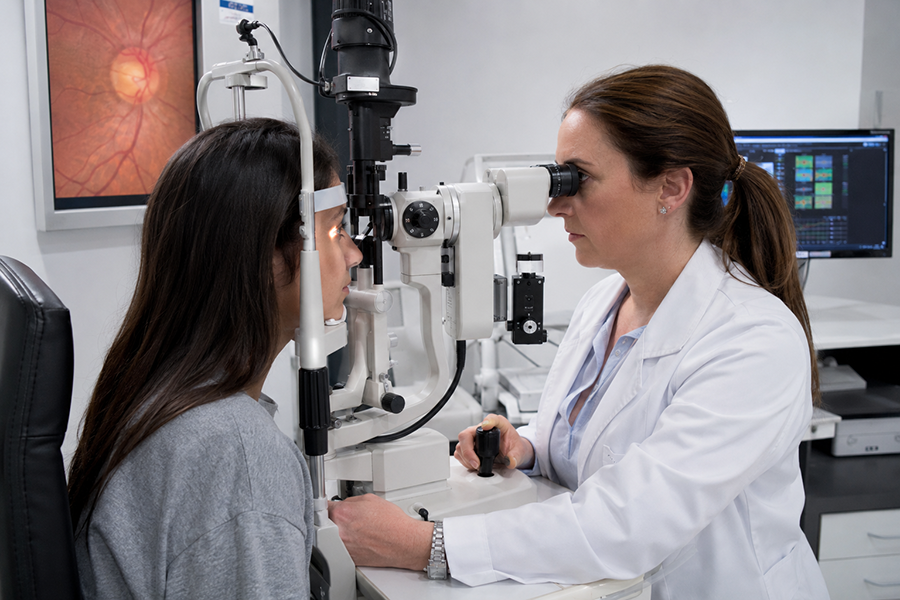
Severe eye pain after a day in the sun, blurred vision that does not improve, persistent redness, excessive discharge or significant discomfort in contact lens wearers are all reasons to seek immediate consultation. At INOF, we have all the necessary facilities to diagnose and treat any problems affecting the ocular surface, cornea or retina.
Book your appointment at INOF
Summer is a good time for the whole family’s annual eye check-up: adults, children and contact lens wearers.
www.inof.es · 933 933 156 · Teknon Medical Centre, Consultorios Vilana 12, Barcelona
Temas relacionados